ServicesWater Testing
La Porte Water Testing
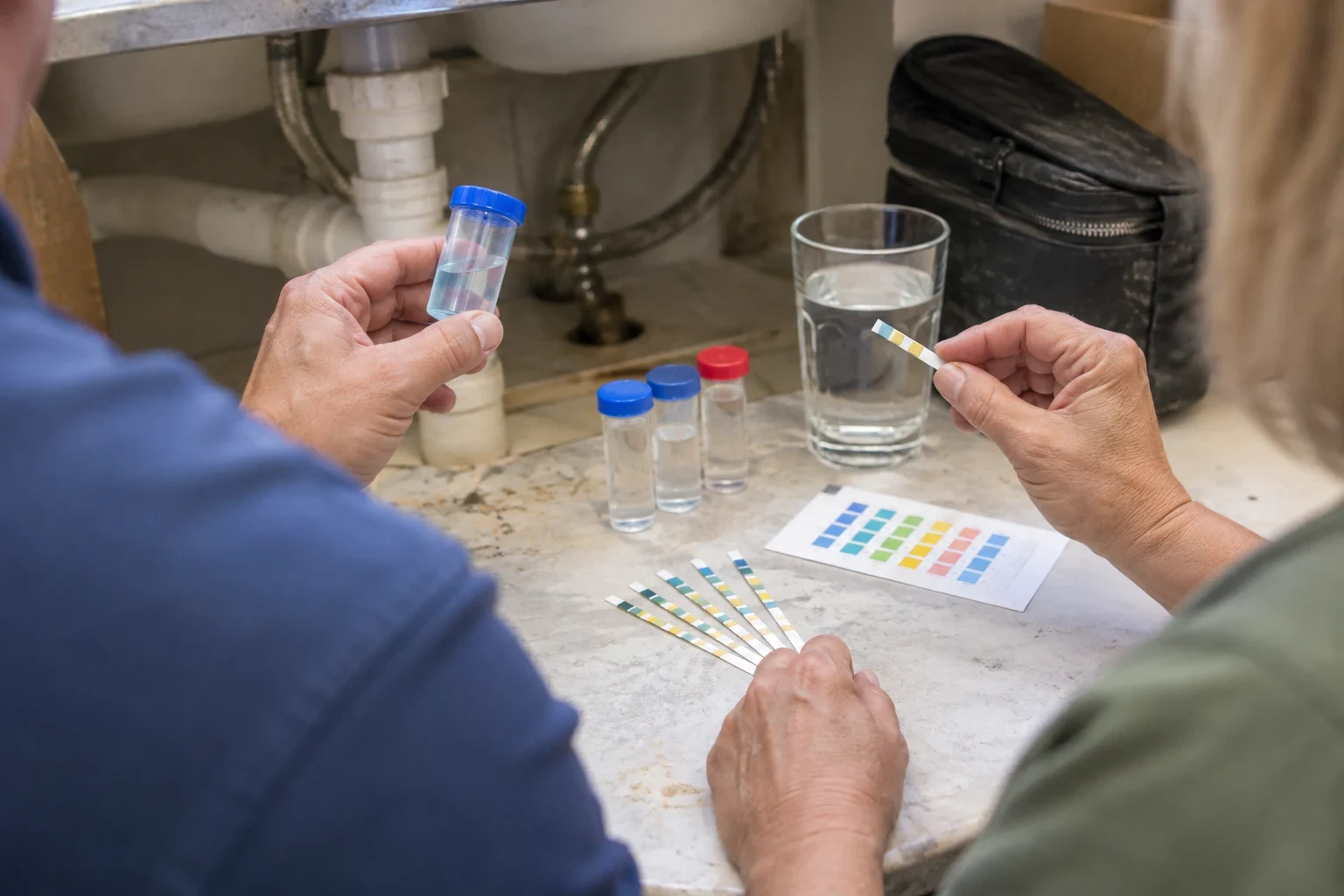
Before you buy any filter, we measure what comes out of your taps: hardness, chlorine, iron, pH and dissolved solids, plus lab samples for lead or bacteria when your pipes or well call for it. Every number is explained, the recommendation comes in writing, and if nothing needs treating, we tell you.
Testing comes first, equipment second
Every treatment system is built to remove something specific. Carbon handles chlorine and taste. Ion-exchange resin handles calcium and magnesium. A reverse osmosis membrane handles dissolved solids and metals such as lead. Buying one without knowing what is in your water is a guess, and guesses get expensive.
A test tells you which problem you have and how big it is. Hardness measured in grains per gallon sizes a softener. An iron reading in parts per million decides whether a standard filter will clog in weeks. A first-draw lead sample shows whether old solder or brass fittings are adding metal at the tap.
We put the results and any recommendation in writing, with the scope and price factors spelled out, before any work is scheduled. We test homes in La Porte and nearby towns including Deer Park, Seabrook and League City.
What a water test covers
Hardness
We measure calcium and magnesium as grains per gallon. That number decides whether a softener makes sense at all, and if it does, what resin capacity fits your household.
Chlorine and pH
A DPD reagent test shows the disinfectant level reaching your taps. We check pH at the same time, because water on the acidic side can pull copper and lead from plumbing.
Iron, manganese and total dissolved solids
Iron and manganese cause orange and black staining and foul filter media. A TDS meter reading gives a quick picture of everything dissolved in the water and helps size a reverse osmosis system.
Lead sampling for older plumbing
For homes with lead solder, galvanized lines or older brass fixtures, we collect a first-draw sample after the water has sat overnight. It goes to an independent lab, since lead cannot be measured reliably with a field kit.
Well water panel
Private wells get bacteria sampling in a sterile bottle, plus nitrates, hydrogen sulfide and the minerals above. These samples have short hold times, so we plan the visit around getting them to the lab quickly.
When it makes sense to test your water
Chalky buildup on faucets and glass
White deposits on aerators, shower doors and inside the kettle come from calcium and magnesium. Measuring hardness shows if it is minor or strong enough to wear out your water heater early.
Orange rings in sinks and toilets
Rust stains usually trace back to iron, either carried in the supply or shed by corroding galvanized pipe. Those two causes need different fixes, and testing points to the right one.
Bleach or sulfur odors
A swimming-pool smell means chlorine. A rotten-egg smell, frequent on wells, typically comes from hydrogen sulfide or bacteria growing in the water heater. A test separates the two.
Aging plumbing or a baby on the way
Copper lines installed before 1986 can have lead solder at the joints. If anyone at home is pregnant or preparing formula, a lab lead test settles the question.
A well that sat in floodwater
Heavy Gulf Coast rain can let surface water seep into a well casing. Only a bacteria test after the water recedes confirms the well is safe to drink from.
What happens on a testing visit
- 1
We start by phone
Describe what you have noticed and tell us if your water comes from the city or a private well. Your answers decide which test kits we pack and if any samples need a lab.
- 2
Samples drawn in your home
We test at the kitchen faucet and, where there is one, at the line where water enters the house. Lead and bacteria bottles are filled by lab protocol, so we may ask you to leave the taps off overnight before we arrive.
- 3
We walk you through the numbers
On-site readings are done before we leave. Lab results take a few more days, and when they arrive we go through each value with you and what it means for your home.
- 4
Recommendation on paper
When treatment is warranted, you receive a written quote listing the equipment, the install scope and the factors behind the price. When it is not, we say so and close the file.
What sets the price of a water test
Two things drive the cost: how many parameters we check and how many of them need a lab. A quick screen of city water at your kitchen sink is a short visit with no outside fees. A complete well panel with bacteria and metals adds lab charges and careful sample handling. On the phone we lay out the testing levels so the one you choose fits the question you actually have.
- At-the-sink readings or lab work
- We can read hardness, chlorine, pH, iron and TDS on site with meters and reagents. Lead, arsenic, nitrates and bacteria require lab instruments, so every lab analysis you add raises the total.
- Utility water or your own well
- The utility already monitors municipal water, so a city-water test mostly looks at taste and what your own pipes contribute. A private well has nobody checking it, which calls for a wider panel.
- How many places we sample
- Testing at the main entry and again at a faucet shows if a problem starts in the supply or inside your plumbing. Each added sample point adds tests to the bill.
Water testing questions
Something not covered here? (281) 717-6987
Isn't city water already tested?
Yes, the utility tests at the treatment plant and in the distribution system, and it publishes an annual water quality report. Those tests stop at the water main. Lead from fixtures, iron from aging pipe and the taste at your own faucet only show up when the sample is taken inside your home.
Can I just use a test strip kit from the store?
Strips give a rough read on hardness, chlorine and pH, and they are fine for a first look. They are not accurate for lead or bacteria, and color-matching errors are common. If you are deciding on equipment, measured numbers are worth having.
Will you try to sell me a system afterward?
Only if the results show a problem a system would fix. If your hardness is low, we will not recommend a softener. When treatment does make sense, you get the scope and pricing in writing before anything is scheduled, with no add-ons appearing later.
How often should a well be tested?
Test a private well for bacteria and nitrates at least once a year, and again after flooding, a repair to the pump or casing, or any change in taste, smell or color. Minerals change slowly, so a full mineral panel every few years is usually enough.
What happens if I go ahead with treatment?
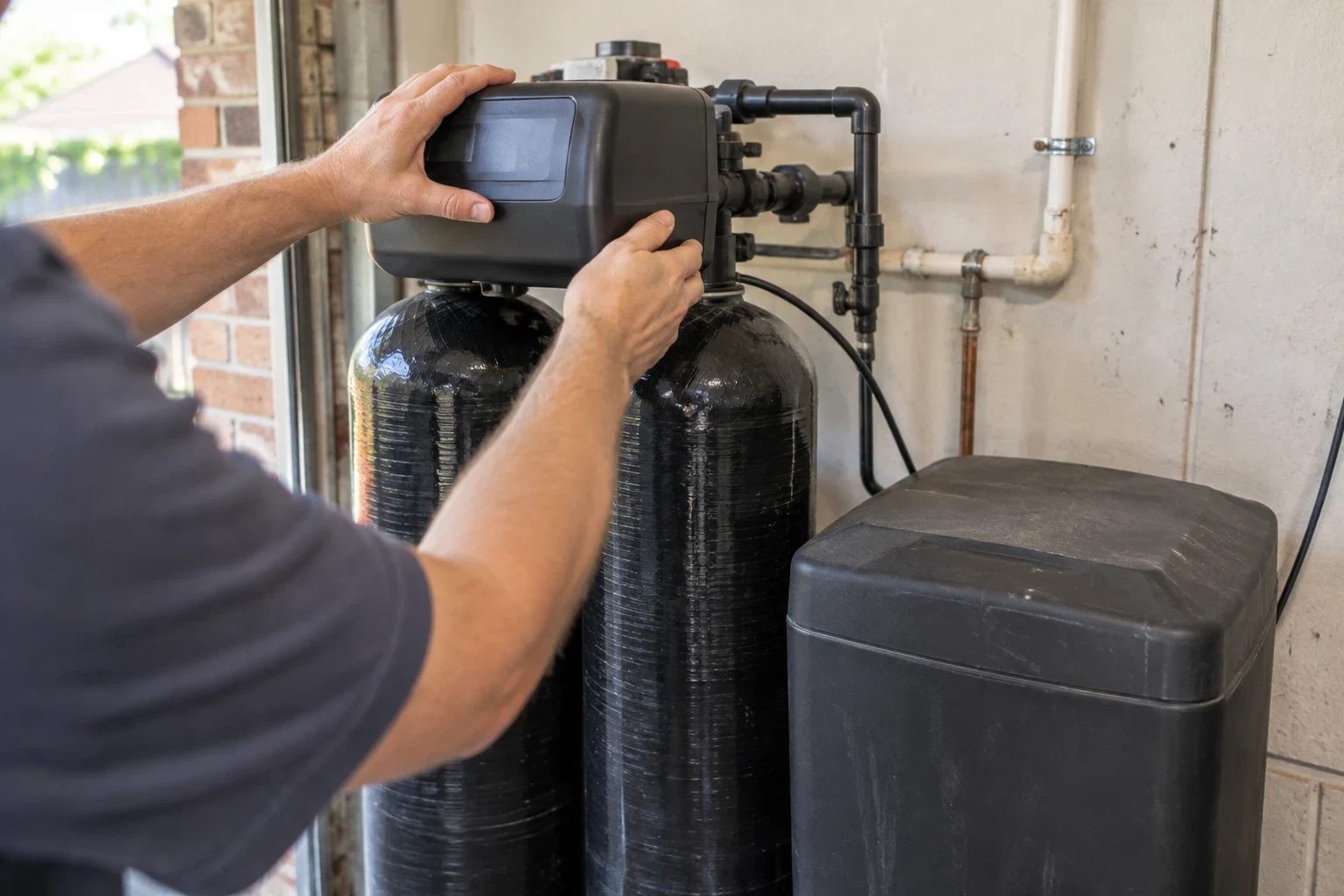
We match the equipment to your results, whether that is whole-home filtration, a water softener, reverse osmosis or well water treatment. We offer free installation and full services after the sale, so filter changes and follow-up checks stay with the same people who tested your water.
Get measured numbers for your tap water
Describe the stains, smells or taste that have you wondering, and we will pick the tests that answer it. The results come with plain explanations and a written recommendation you can take your time with.